
Kanibal Republic: When Art Holds a Mirror to Corruption
9/19/20252 min read
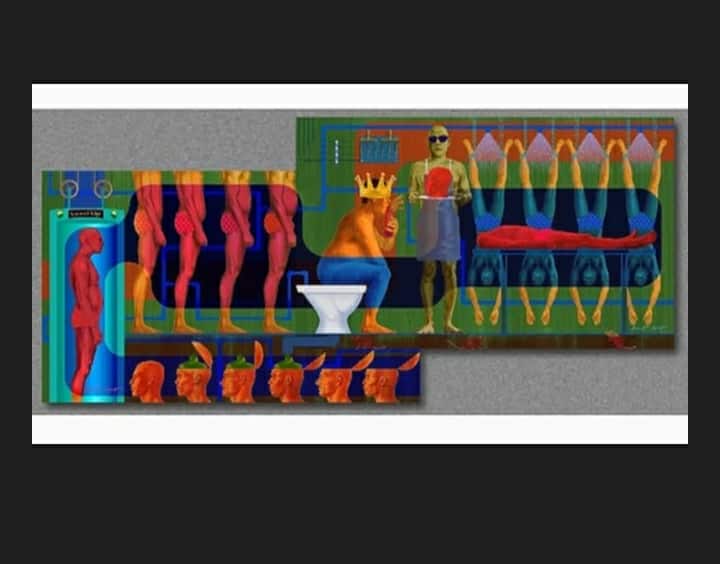
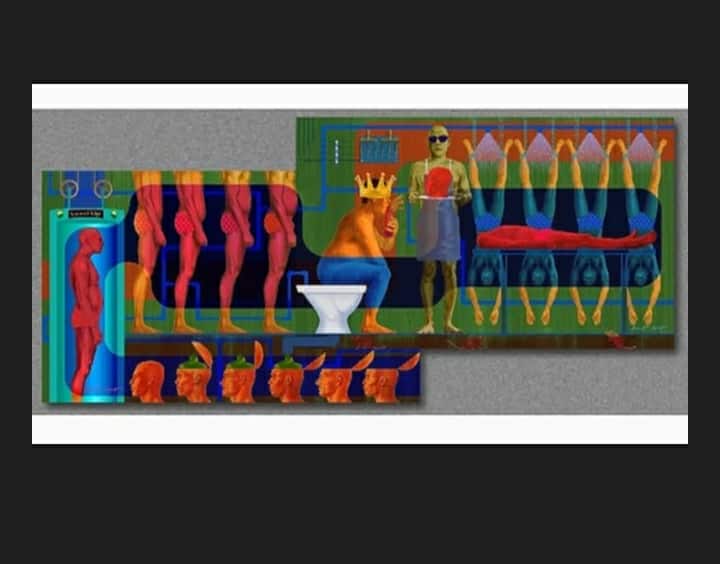
In a country where corruption scandals often make the headlines but rarely shock anymore, artist Benedicto Modesto refuses to let complacency take root. His 2022 digital collection, Kanibal Republic, does what many official reports and press briefings fail to do — it visually unsettles. The images are grotesque, surreal, even disturbing: crowned figures with distorted faces, citizens devoured by leaders, dreamlike scenes where truth and illusion blur. At first glance, the works seem fantastical, absurd. But take a closer look, and the discomfort becomes familiar. The republic Modesto paints is not far from the one we live in. To see the entire collection of Kanibal Republic, click here.
The title says it all. In a Kanibal Republic, the rulers are not protectors but predators. They feed on the people’s trust, taxes, and hopes. “It’s about how we are consumed,” Modesto said of his work. “We give, and they take — and yet we still believe.”
It’s a biting observation that resonates in a nation where corruption scandals, from anomalous contracts to misused pandemic funds, have become almost routine. For Modesto, the surreal exaggerations are not escape but exposure. They show us what we refuse to see in plain sight: that corruption is not just theft, it is cannibalism.
Power as a Predator
Social Surrealism at Work
Surrealism has always thrived on bending reality to reveal deeper truths. In Modesto’s hands, it becomes a tool of social critique. His canvases blur dream and nightmare, but the symbols are rooted in real Filipino life.
The false king, crowned yet grotesque, reflects how charisma and promises often outweigh integrity in politics.
The bound or devoured citizens echo the public’s helplessness when services fail, funds vanish, and leaders go unpunished.
Works like Kalag (Break Free) whisper of resistance — that people can, and must, wake up from the trance of misinformation and blind loyalty.
This is social surrealism: art that distorts in order to clarify, that unsettles in order to awaken. To see the entire collection, click here.
A Republic in Reflection
What makes Kanibal Republic so striking is its timing. Launched just before the 2022 elections, the collection felt like both warning and prophecy. It asked: Who will we choose to crown? Will we keep mistaking predators for protectors?
Today, as reports of wasteful spending and entrenched political dynasties continue, Modesto’s images feel less like art pieces and more like mirrors. They reflect a republic devoured not just by its leaders, but by the collective choices of its citizens.
Why It Matters
Corruption in the Philippines often feels too big, too entrenched to fight. But Modesto’s art reminds us that change begins with consciousness. By presenting corruption not as an abstract “irregularity” but as a visceral act of consumption, he strips away euphemism. He makes us feel the weight of what is lost.
And in a society where apathy is as dangerous as abuse, that jolt of discomfort may be the first step toward accountability.
Breaking Free
At its core, Kanibal Republic is not just about despair. It is also about awakening. Surreal as it is, the collection insists that illusions can be shattered, that kings can be unmasked, that citizens can reclaim their agency.
Art alone may not topple corruption. But by confronting us with its grotesque face, Modesto invites us to ask the harder questions: Why do we allow ourselves to be devoured? And when will we finally break free?
Composite of artworks Power Plant Level 1 and 2